

Blog

Application scenarios in the catering industry

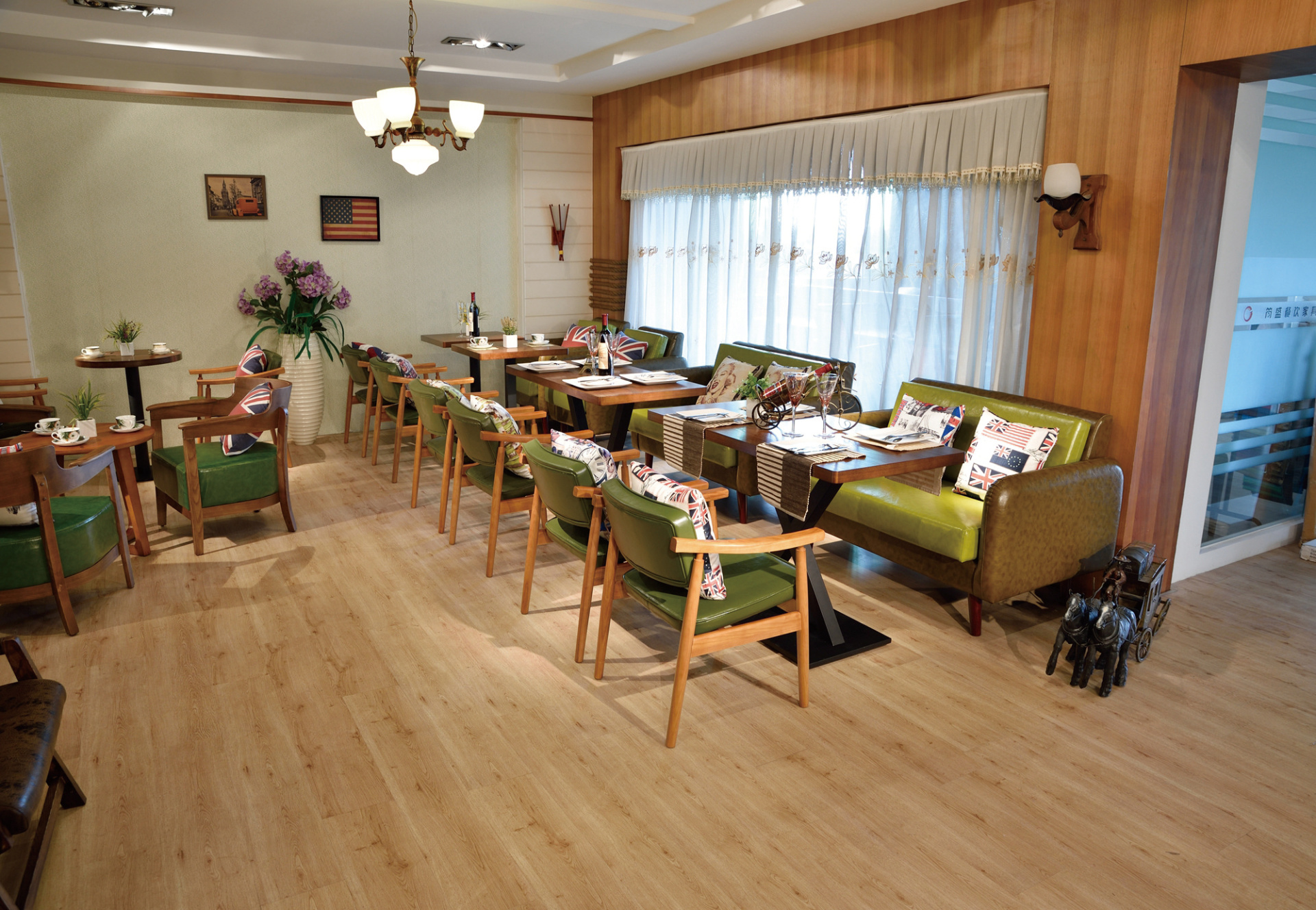
Solution 1: For small fast food restaurants, it is best to use lightweight and movable fast food tables and chairs. The limitation of space allows for more usable area when tables and chairs can be moved. Square tables placed against the wall appear neat and attractive, accommodating 8 guests, and with movable fast food chairs, it can increase to 10 guests. Round tables in the center are suitable for small groups of friends dining together, and can be expanded to 7-8 people if needed. This greatly increases the usable space. Solution 2: For large hall fast food restaurants, which are often found in large factories or school cafeterias, it is important to arrange tables and chairs neatly. Therefore, it is best to use connected fast food tables and chairs. The relative fixity of the tables and chairs gives the restaurant a tidy and orderly atmosphere, avoiding clutter. If there is extra space, or if the restaurant has a snack bar, corresponding round or square tables and single chairs can be placed nearby, allowing diners to gather or dine alone, creating a warm dining environment. Solution 3: Multi-level fast food restaurants/cafeterias refer to those that differentiate dining styles, such as snacks on the first floor, fast food on the second floor, and ordering on the third floor. These fast food restaurants generally have smaller spaces than large hall restaurants but are slightly more spacious than small private restaurants. Therefore, slightly larger fast food tables and chairs can be chosen. The diversity of the restaurant allows the tables and chairs to play a more prominent role, and the colors of the tables and chairs can be richer, stimulating diners' appetites.

16

2019

/

04

< 1 >